
The 5 Essentials for Staying Safe
Written by: Mateo Estevez
I am a physical therapist with more than 20 years of experience, so I am aware of the risks people run and the significance of fall prevention. In this article, “What Makes Someone a Fall Risk? The 5 Essentials for Staying Safe,” I will explore what makes someone a fall risk and delve into the five key essentials that can help individuals stay safe. People can significantly lower their risk of falling by being assessed, making necessary modifications, equipping themselves, adopting the proper mindset, and engaging in the right exercise. In addition to offering useful information, this article will also be a source for advice on fall prevention, including tools and exercises. So let’s start down this road to fall prevention and make sure our loved ones and ourselves are safe and secure. See the YouTube video we’ve included below for a 10-minute mini-course on fall prevention:
You can also find more health-related content by visiting our website below
Assess
Understanding Fall Risk Factors
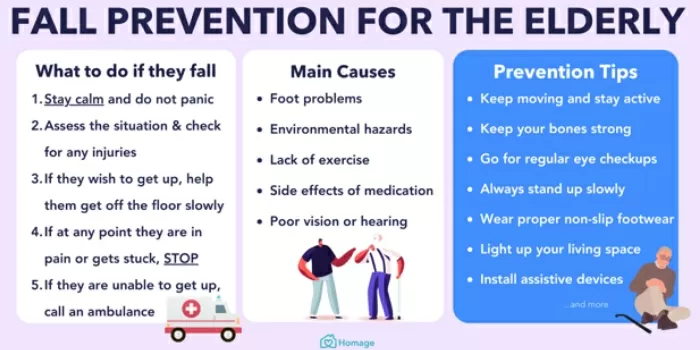
It is essential to comprehend the various factors that contribute to falls in order to fully understand what constitutes a fall risk. Among them are old age, particular medical conditions, adverse drug reactions, vision problems, muscle weakness, poor balance, and environmental dangers. You can more accurately assess your own risk of falling by recognizing these risk factors and by taking the necessary precautions to lessen them.
Identification of Individual Fall Risk Factors
Each person may have particular risk factors that make them more likely to fall. You can undergo a thorough assessment that considers your medical history, present health status, and lifestyle factors by working with a healthcare professional, such as a physical therapist or medical doctor. You can identify and address the particular fall risk factors that apply to you with the aid of this tailored approach.
Physical Assessments
A crucial aspect of fall risk assessment is the evaluation of your physical capabilities. This may involve assessing your balance, strength, coordination, gait, and mobility. Various tests and measurements can be conducted to determine your functional abilities and identify any areas of weakness or impairment that may predispose you to falls.
Addressing Medical Conditions
Certain medical conditions can significantly increase your risk of falls. Common examples include osteoporosis, arthritis, neuropathy, Parkinson’s disease, and stroke. It is important to work closely with your healthcare team to manage these conditions effectively, as proper treatment and disease management can help reduce fall risk.
Assessing Environmental Hazards
Another crucial aspect of fall risk assessment is evaluating your living environment for potential hazards. This includes identifying tripping hazards such as loose rugs, cords, or clutter, as well as ensuring adequate lighting throughout the home. Additionally, addressing any structural issues, such as unstable handrails or slippery surfaces, can further reduce the risk of falls.
Home Modifications for Fall Prevention
One of the key ways to reduce fall risk is by modifying your home environment to create a safe and hazard-free living space. This can involve simple changes such as removing clutter and tripping hazards, securing loose carpets or rugs, and organizing furniture to provide clear pathways.
Improving Lighting Conditions
Particularly at night, inadequate lighting can significantly raise the risk of falls. You can improve visibility and lessen your chance of tripping over or misjudging obstacles by making sure your home is properly lit. Brighter bulbs, the addition of night lights in bathrooms and hallways, and the use of motion sensor lighting can all help to improve lighting.
Securing Handrails and Grab Bars
Handrails and grab bars play a crucial role in maintaining balance and stability, particularly in areas such as staircases and bathrooms. It is important to ensure that these structures are securely fastened and easily accessible. By providing stable support, handrails and grab bars can greatly reduce the risk of falls.
Installing Non-Slip Surfaces
Slippery surfaces, such as tiles or hardwood floors, can significantly increase the likelihood of falls, especially if they become wet. Installing non-slip surfaces, such as rubber mats or grip-enhancing tiles, can greatly improve traction and stability, thereby reducing fall risk. One of the most important places to place a non-slip mat is in the bathroom.
Assistive Devices and Mobility Aids
In some circumstances, the use of mobility aids and assistive devices can add additional support and stability, lowering the risk of falls. These might be canes, walkers, rollators, or even special footwear with balance and stability features. Working with a healthcare professional to choose the best devices for your unique needs is crucial..
Equipment
Choosing the Right Footwear
For those who are susceptible to falls, proper footwear is crucial to maintaining stability and balance. Choose footwear with a snug, non-slip sole that supports the heels and arches properly. Avoid wearing footwear with smooth soles or high heels because they can increase the chance of slipping and falling.
Assistive Devices for Balance and Stability
Various assistive devices are available to enhance balance and stability. These can range from simple balance boards or wobble cushions to more advanced devices such as parallel bars or balance trainers. By incorporating these tools into your daily routine, you can improve your balance and reduce the risk of falls.
Using Walking Aids Safely
For individuals who require walking aids, such as canes or walkers, it is crucial to use them correctly and safely. Ensure that the height of the walking aid is adjusted to match your height and maintain proper posture while using them. Additionally, consider attending physical therapy or rehabilitation sessions to learn proper techniques for walking and navigating obstacles with these aids.
Understanding Fall Detection Systems
Innovative technologies called fall detection systems are made to automatically detect and report falls, especially when a person might be unable to call for assistance on their own. For the purpose of accurately identifying falls and alerting designated caregivers or emergency services, these systems frequently make use of motion sensors, accelerometers, and even artificial intelligence. For people who are prone to falls, understanding how these systems operate can add an extra layer of safety.
Mindset
Building Awareness and Consciousness
Developing a heightened sense of awareness and consciousness is essential for fall prevention. By being mindful of your surroundings and potential hazards, you can take proactive steps to avoid falls. Cultivate habits such as regularly scanning your environment, keeping your attention focused on each step, and maintaining good posture to minimize the risk of falls.
Maintaining a Positive Attitude
The prevention of falls is greatly aided by a positive outlook. Confidence can be increased and anxiety can be decreased, both of which can help prevent falls, if you believe in yourself and concentrate on your strengths. Celebrate each small victory and adopt a positive outlook to motivate you to continue working toward greater safety and wellbeing.
Managing Fear and Anxiety
Fear and anxiety can often hinder individuals from engaging in activities that are vital for maintaining balance and strength. It is important to address and manage these emotions effectively through techniques such as deep breathing, relaxation exercises, or seeking professional support. By staying in control of your emotions, you can better focus on fall prevention strategies and reduce the likelihood of falls.
Practicing Mindfulness and Focus
Mindfulness practices, such as meditation or deep breathing exercises, can help improve concentration, reduce stress, and enhance overall well-being. By incorporating these practices into your daily routine, you can enhance your focus and awareness, thereby reducing the risk of falls.
Seeking Social Support
Fall prevention is not a solo journey. Building a support system of family, friends, and healthcare professionals can provide invaluable assistance in mitigating fall risk. They can offer encouragement, provide assistance with home modifications or exercises, and act as a safety net in case of emergencies. Reach out to your loved ones and healthcare team for support and remember that you are never alone in your fall prevention journey.
Exercise
Importance of Exercise in Fall Prevention
Exercise plays a crucial role in fall prevention by improving balance, strength, flexibility, and coordination. Engaging in regular physical activity can help build strong muscles, enhance bone density, and maintain joint flexibility, all of which contribute to better overall stability and reduced fall risk.
Types of Exercises for Balance and Strength
Numerous exercises, including Tai Chi, yoga, and resistance training, are specifically made to increase strength and balance. These exercises concentrate on the main muscle groups needed to maintain stability and balance, which helps to enhance proprioception and lower the risk of falling.
Creating a Personalized Exercise Plan
To maximize the benefits of exercise in fall prevention, it is important to create a personalized exercise plan tailored to your specific needs and abilities. This can be achieved by consulting with a physical therapist who can assess your current fitness level, identify areas of weakness, and design a customized exercise program that addresses your unique requirements.
You can learn more about the best exercises for lowering fall risk from our YouTube video.
Physical Therapy for Fall Prevention

For people who are at risk of falling, physical therapy is a priceless resource. In order to increase balance, strength, and coordination, a licensed physical therapist can offer professional advice, exercises, and strategies. They can also provide guidance on assistive tools and equipment that might improve safety, teach safe falling techniques, and help with gait training.
Conclusion
In conclusion, maintaining safety and independence requires an understanding of fall risk and the proactive mitigation of it. You can significantly lower your risk of falling by identifying your personal risk factors, making changes to your home environment, arming yourself with the proper tools and footwear, cultivating a positive outlook, and exercising frequently. Remember that preventing falls is a lifelong process, and you can put your safety and well-being first by incorporating these five essentials into your daily routine.
I urge you to visit our website for more detailed fall prevention advice, including suggestions for tools and exercises. Arrange a consultation to get specialized advice and support with us or Call us NOW at (561) 560-7377
Frequently Asked Questions
Q: What makes someone a fall risk?
A: Several factors contribute to someone being at risk of falls. Advanced age, certain medical conditions, muscle weakness, impaired balance, poor vision, and environmental hazards are some of the common risk factors. Each individual may have unique risk factors that need to be identified and addressed.
Q: How can I modify my home to prevent falls?
A: Home modifications play a crucial role in fall prevention. Removing clutter and tripping hazards, improving lighting conditions, securing handrails and grab bars, and installing non-slip surfaces are some effective ways to reduce fall risk in your home.
Q: What kind of footwear should I choose to prevent falls?
A: Proper footwear is essential for maintaining balance and stability. Choose shoes with non-slip soles, adequate support to the arches and heels, and a well-fitted design. Avoid high-heeled shoes or footwear with a smooth sole, as these can increase the risk of slips and falls.
Q: How can exercise help in fall prevention?
A: Exercise plays a crucial role in fall prevention by improving balance, strength, flexibility, and coordination. Engaging in regular physical activity, such as Tai Chi, yoga, and resistance training, helps build strong muscles, enhance bone density, and maintain joint flexibility, all of which contribute to better overall stability and reduced fall risk.
Q: Can physical therapy help in preventing falls?
A: Yes, physical therapy is highly beneficial for individuals at risk of falls. A qualified physical therapist can provide expert guidance, exercises, and strategies to improve balance, strength, and coordination. They can also assist with gait training, teach safe falling techniques, and offer advice on assistive devices and equipment that may enhance safety.